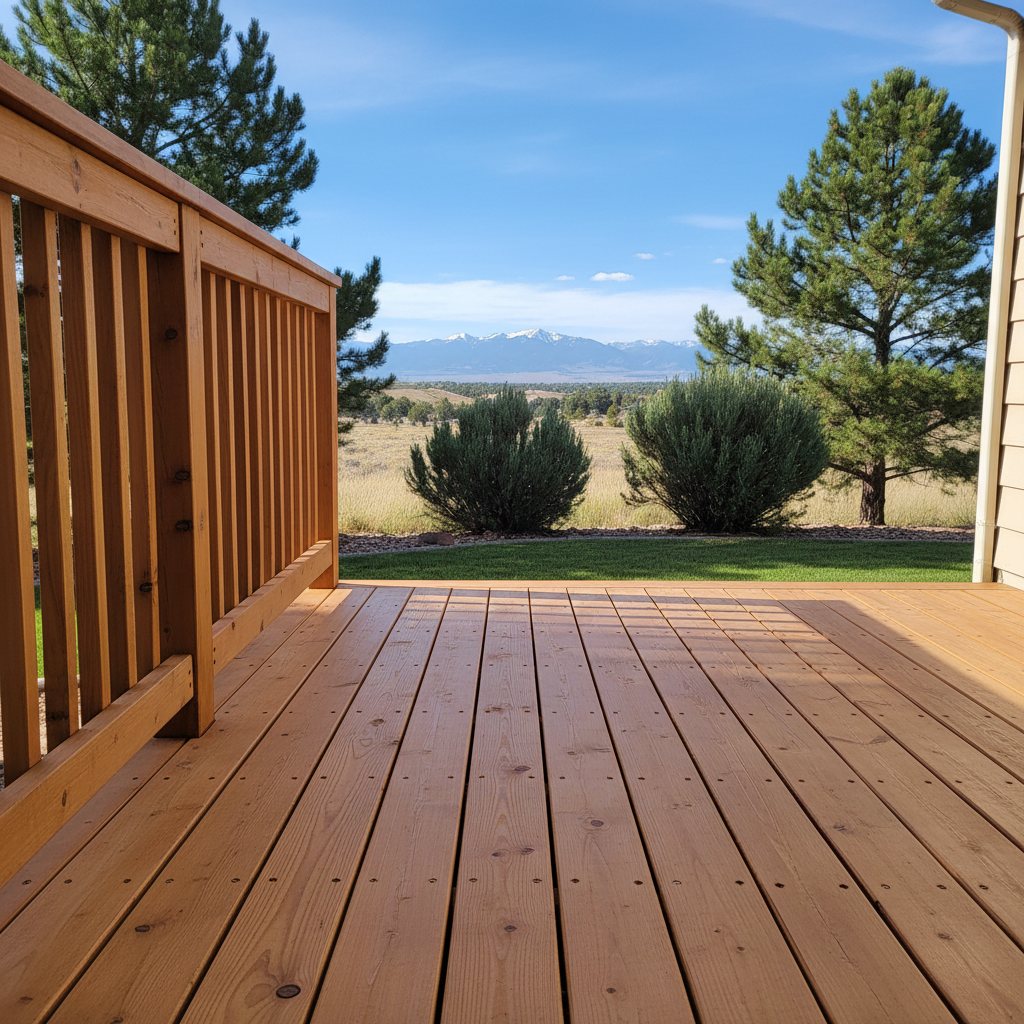
Your deck? It's an investment, plain and simple. You put good money into it, and it gives you this fantastic outdoor spot to soak up all that Colorado sunshine. But, just like anything else that has to put up with our wild weather—think hot summers, snowy winters, and those crazy afternoon hailstorms we get around here—it needs a little TLC to really last. Honestly, I've seen way too many decks in Highlands Ranch that could have gotten years more use with just a bit of attention. So, let's chat about how to protect that investment, shall we?
Extend Your Deck's Life: It's All About Prevention
The best repair is always the one you never have to make. That's why prevention is so crucial. First off, keep it clean. Dirt, leaves, and other crud love to trap moisture against the wood, and that's a one-way ticket to rot. Sweep it regularly, especially after a windy day or a big storm. And a good scrub with a deck cleaner once a year, usually in the spring after the snow melts, really makes a difference. Just make sure to rinse it super well so you don't leave any residue behind.
Another huge one? Sealing and staining. Our dry Colorado climate can be brutal on wood, drying it out, causing cracks, and leading to splinters. A good quality stain or sealant acts like sunscreen and a rain jacket for your deck, protecting it from UV rays and moisture. Most decent stains will hold up for 2-3 years, but you should still check it every year. Just sprinkle a little water on the surface; if it soaks right in instead of beading up, it's definitely time to reapply. Don't wait until the wood looks faded and gray. By then, the damage has already started, you know?
Regular Maintenance: Your Deck's Annual Check-Up
Think of this as your deck's yearly physical. You'll want to give it a good, thorough inspection at least once a year, maybe even twice if you're really on the ball. Here's what I always look for:
- Fasteners: Check all your screws and nails. Are any of them popping up? Are any loose? Tighten them down. If you're seeing a lot of screws backing out, that could signal wood movement or even rot, which means you need to take a closer look.
- Wood Condition: Look for splinters, cracks, or soft spots. Take a screwdriver and poke any suspicious areas. If it sinks in easily, you've got rot. Pay extra attention to spots close to the ground, where moisture tends to hang out, or where water might just sit, like around post bases.
- Railing Stability: Give your railings a good, firm shake. Are they solid? Loose railings are a serious safety hazard, plain and simple. Tighten any bolts or screws you find.
- Post Bases: Make sure your deck posts aren't sitting directly on the soil. They really should be on concrete footings or post bases that keep them up off the ground. If they're buried or always touching wet ground, they'll rot out super fast.
- Drainage: Is water pooling anywhere on or around your deck? Good drainage is absolutely critical. Double-check that your downspouts aren't just dumping water right next to your deck posts.
Our soil here in Highlands Ranch, especially that expansive clay, can shift quite a bit with moisture changes. This can really stress deck footings and posts, so keeping an eye on the stability of your whole structure is even more important around here.
Warning Signs: Don't Ignore These Red Flags
Sometimes, even if you do your best, problems still pop up. Here are the things that should make you stop and really pay attention:
- Rotting Wood: This is the big one, folks. Soft, spongy wood—especially at the ends of boards, around fasteners, or where wood meets the ground—is a serious problem. It compromises the whole structure.
- Excessive Cracking or Splitting: A few small checks are normal, sure, but large, deep cracks or boards splitting all the way through could mean major drying or stress.
- Loose or Wobbly Railings/Stairs: This isn't just about looks; it's a fall hazard. Don't put off fixing this.
- Sagging Deck Boards or Joists: If your deck surface feels bouncy or you can actually see it sagging, that's a sign of structural weakness. This might be from overloaded areas, rot in the joists, or even foundation issues.
- Rusting Fasteners or Hardware: While a little surface rust isn't always a deal-breaker, heavily rusted bolts, screws, or connectors can fail, especially if they weren't designed for outdoor use.
Catching these things early can save you a much bigger headache—and a lot more money—down the road.
When to Call a Professional: Don't DIY Everything
Look, I'm all for homeowners tackling projects, but some things are just better left to the pros. If you spot any of those serious warning signs I just mentioned—like significant rot, structural sagging, or widespread instability—it's time to call someone like Highlands Deck & Pergola. We've got the experience to properly check out the damage, figure out what's causing it, and make the right repairs to ensure your deck is safe and sound.
Seriously, don't mess around with structural components. A deck collapse isn't just an inconvenience; it can cause serious injury. If you're unsure, or if the repair seems way beyond your comfort level, get a professional opinion. It's truly better to be safe than sorry, and it'll make sure your deck stays a safe and enjoyable part of your Highlands Ranch home for years to come.